
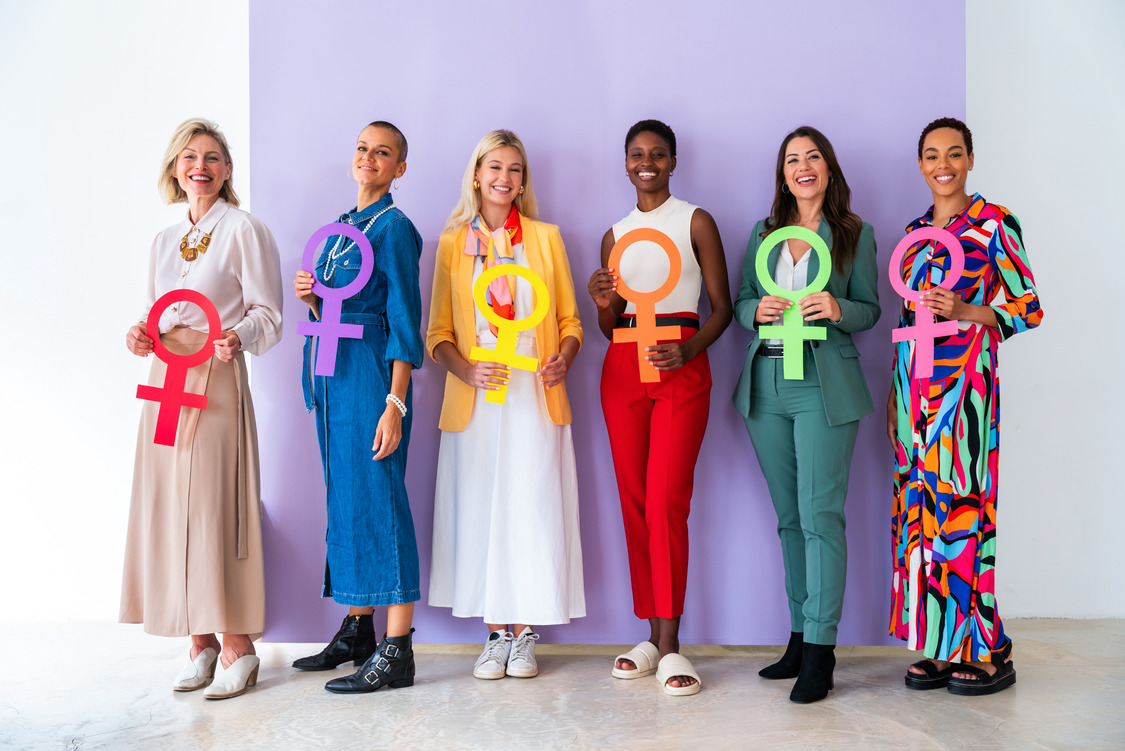
Exploring the Evolution of Gender Roles in Modern Families: Breaking Down Stereotypes

Gender roles within families have undergone significant transformations over the years. This article explores the evolution of gender roles in modern families, shedding light on the breaking down of stereotypes and the implications for society as a whole.

In the not-so-distant past, traditional gender roles defined the roles and responsibilities of men and women within the family. Men were typically seen as the breadwinners, while women were expected to be homemakers and caregivers. However, as society has evolved, so too have our perceptions of gender roles within the family unit. In this article, we will explore the changing landscape of gender roles in modern families and discuss the implications of breaking down traditional stereotypes.

The Shift Away from Traditional Roles

One of the most noticeable changes in modern families is the shift away from rigidly defined gender roles. Women have made significant strides in the workforce, with many becoming primary breadwinners or pursuing careers outside the home. Men, in turn, have taken on more active roles in parenting and household chores. This shift reflects a more equitable distribution of responsibilities within families.

Challenges and Opportunities

While breaking down traditional gender roles is a positive step toward gender equality, it also presents challenges. Some families may grapple with societal expectations and cultural norms that still promote traditional roles. Additionally, balancing work and family responsibilities can be a source of stress for both men and women. However, this shift also opens up opportunities for personal growth, greater flexibility in family dynamics, and the chance to challenge harmful stereotypes.

Benefits for Children

Children raised in families with flexible and egalitarian gender roles may benefit from a more balanced perspective on gender. They are less likely to internalize rigid stereotypes about what it means to be a man or a woman. Exposure to diverse role models within the family can promote empathy, understanding, and acceptance of different ways of being.

Embracing Diversity

Modern families come in all shapes and sizes, and gender roles within these families can vary widely. Same-sex couples, single parents, and blended families challenge traditional notions of gender roles even further. Embracing this diversity is essential for fostering a more inclusive and accepting society.

The Role of Education and Media

Education and media play a significant role in shaping our perceptions of gender roles. Schools and educational programs should promote gender equality and provide resources for students to explore their interests and talents without limitations based on gender. Similarly, media representation should strive to break free from outdated stereotypes and present a more diverse and realistic portrayal of families and relationships.

The Intersection of Gender and Culture

It’s important to recognize that the evolution of gender roles is influenced by cultural factors. Different cultures may have varying expectations and norms regarding gender roles within the family. Understanding and respecting cultural diversity is crucial when discussing this topic.

Conclusion

The evolution of gender roles in modern families represents a positive step toward greater gender equality and inclusivity. By breaking down traditional stereotypes and embracing diverse family structures, we can create a more accepting and equitable society. Education, open dialogue, and challenging outdated norms are essential tools in this ongoing transformation.…

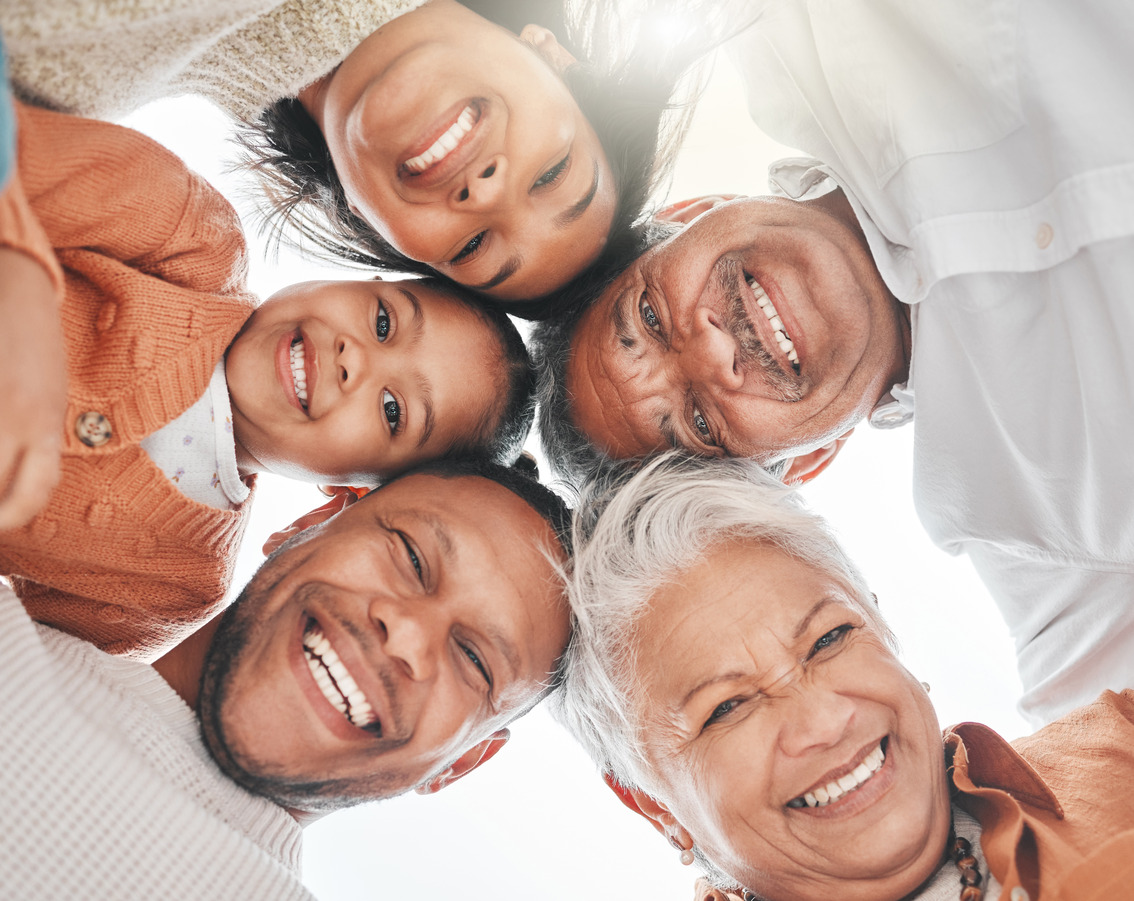
The Role of Education in Fostering Stronger Family Bonds and Social Cohesion

Education is often seen as a means to individual growth and career success, but it also plays a vital role in strengthening family bonds and fostering social cohesion. In this article, we will explore how education influences family dynamics and contributes to a more harmonious and connected society.

Education is often viewed through the lens of personal development and career prospects. While these aspects are undoubtedly important, the influence of education extends beyond the individual and has a profound impact on family life and social cohesion. This article delves into the multifaceted role of education in nurturing stronger family bonds and building a more connected society.

Education as a Path to Empowerment

One of the primary ways education strengthens families is by empowering individuals with knowledge and skills. An educated family member is better equipped to make informed decisions, pursue opportunities, and contribute to the family’s overall well-being. Education can break the cycle of poverty and open doors to improved living standards for families.

The Role of Parental Involvement in Education

Parental involvement in a child’s education is a key factor in academic success and overall family cohesion. Parents who actively participate in their children’s education demonstrate the value of learning, encourage a positive attitude towards school, and create a supportive home environment. This involvement can enhance communication and understanding within the family.

Education Fosters Critical Thinking and Communication Skills

Education not only imparts knowledge but also cultivates critical thinking and communication skills. These skills are invaluable in resolving conflicts within families. An educated family member is more likely to approach disagreements with empathy, listen actively, and find constructive solutions, leading to healthier relationships.

The Link Between Education and Health

Education is closely linked to health outcomes, which directly impact family dynamics. Higher levels of education are associated with better health habits, access to healthcare, and overall well-being. Educated individuals tend to make more informed decisions about their health and are more likely to lead healthier lifestyles, benefiting both themselves and their families.

Education Promotes Cultural Awareness and Tolerance

As individuals gain knowledge through education, they become more culturally aware and open-minded. This awareness can lead to greater tolerance and acceptance of diversity within families and society at large. Families that value education are more likely to embrace different perspectives and respect the cultural backgrounds of their members.

Education’s Role in Building Social Cohesion

Beyond the family unit, education also plays a crucial role in building social cohesion. A well-educated society is more likely to foster civic engagement, social trust, and community participation. When families prioritize education, they contribute to a broader sense of social responsibility and a stronger sense of community.

Challenges in Access to Education

While education has the potential to strengthen families and society, access to quality education remains a challenge for many. Socioeconomic disparities in educational opportunities can hinder the positive impact of education on family dynamics and social cohesion. Addressing these disparities through equitable access to education is essential for realizing the full potential of education.

Conclusion

Education is not merely a tool for personal advancement but a cornerstone for building stronger family bonds and a more cohesive society. It empowers individuals, promotes critical thinking and communication, enhances health outcomes, and fosters cultural awareness and tolerance. By recognizing the holistic benefits of education, families and communities can work together to create a brighter and more connected future for all.…

Addressing the Challenges of Aging Populations: A Look at Intergenerational Care and Support Systems in Society

As our global population continues to age, addressing the needs of aging individuals becomes increasingly important. In this article, we explore the challenges posed by aging populations and the role of intergenerational care and support systems in providing a solution.

The world is experiencing a significant demographic shift with the aging of populations across the globe. This demographic change presents both challenges and opportunities for society. In this article, we will examine the challenges posed by aging populations and the importance of intergenerational care and support systems in addressing these issues.

The Aging Population Challenge

The aging of populations is a consequence of longer life expectancies and declining birth rates. While longer life expectancies are a testament to advancements in healthcare and quality of life, they also bring about unique challenges. As individuals age, they often face health-related issues, caregiving needs, and social isolation, which can strain both families and society at large.

The Role of Intergenerational Care

Intergenerational care refers to the support and care provided between different age groups within families and communities. It involves a reciprocal exchange of caregiving and companionship between older and younger generations. Intergenerational care programs can take various forms, from grandparents helping with childcare to younger family members assisting older relatives with daily tasks.

Benefits of Intergenerational Care

Intergenerational care offers a range of benefits. For older adults, it provides companionship, emotional support, and assistance with daily activities, allowing them to age in place and maintain a higher quality of life. For younger generations, it fosters empathy, responsibility, and a deeper appreciation for the experiences and wisdom of older family members. Additionally, intergenerational care can help reduce social isolation and loneliness for both older and younger individuals.

Challenges and Barriers

Despite its benefits, intergenerational care faces challenges and barriers. These include geographical distance between generations, the demands of modern lifestyles, and the need for flexible work arrangements to accommodate caregiving responsibilities. Additionally, cultural and generational differences can sometimes lead to conflicts or misunderstandings within intergenerational care relationships.

Community and Government Support

To facilitate intergenerational care, communities and governments can play a pivotal role. They can invest in programs that bring together older and younger individuals, such as senior centers, daycare facilities, and mentorship initiatives. Policies that support flexible work arrangements and provide financial incentives for caregiving can also ease the burden on families.

Promoting Intergenerational Understanding

Fostering understanding and positive relationships between generations is crucial for the success of intergenerational care. Education and awareness campaigns can help break down stereotypes and bridge generational gaps. Schools, community organizations, and families themselves can promote intergenerational activities and conversations.

Conclusion

The challenges posed by aging populations require innovative solutions, and intergenerational care and support systems offer a promising approach. By recognizing the value of intergenerational relationships and implementing policies and programs that support them, we can create a more compassionate and interconnected society that benefits individuals of all ages. Intergenerational care has the potential to strengthen families, combat social isolation, and enrich the lives of both older and younger generations in our evolving world.…